If you keep asking yourself, “why is my stomach always bloated?”, you’re far from alone. You wake up with a flat stomach, eat a normal breakfast, and by noon you look three months pregnant. Sound familiar? Bloating, constipation, irregular digestion, and that constant uncomfortable fullness affect millions of Americans every single day — and most of them never figure out why. The answer usually is not what you eat for lunch. It is something happening deep in your gut that has been building up for years.
Your Gut Is More Than a Digestive Tube
The digestive system is one of the most complex systems in the human body. It houses over 100 trillion bacteria, fungi, and microorganisms — collectively known as your gut microbiome — that influence everything from how well you absorb nutrients to how well you sleep, how clearly you think, and even how your immune system responds to threats. When this ecosystem falls out of balance, the effects go far beyond an upset stomach.
Research now links gut health to anxiety, skin conditions, autoimmune disorders, chronic fatigue, and metabolic issues. In other words, what is happening in your gut is happening everywhere in your body. That is why so many people who fix their gut health report improvements they never expected — better energy, clearer skin, sharper focus, and fewer colds.
6 Reasons Your Gut Health May Be Suffering
1. Not Enough Dietary Fiber
The average American gets about 15 grams of fiber per day — less than half the recommended 25 to 38 grams. Fiber is the primary food source for the beneficial bacteria in your gut. Without it, those bacteria starve, the bad bacteria thrive, and digestion slows to a crawl. Constipation, bloating, and irregular bowel movements are often the first signs.
2. An Imbalanced Gut Microbiome
Antibiotics, stress, alcohol, processed foods, and even chlorinated tap water can all reduce the diversity of beneficial bacteria in your gut. Once the balance tips toward harmful bacteria, you may experience persistent bloating, gas, food sensitivities, and even mood changes. This state — known as dysbiosis — is far more common than most people realize.
3. Chronic Stress
Your gut and brain are connected through the vagus nerve in what researchers call the gut-brain axis. When you are chronically stressed, your nervous system shifts into a fight-or-flight state that actively slows digestion. Blood flow is redirected away from the gut, enzyme production drops, and the muscular contractions that move food through your intestines become sluggish. Many people find that their digestive problems are worst during high-stress periods.
4. Dehydration
Water is essential for keeping things moving through your digestive tract. The intestines absorb water from the food you eat to form stool, and when you are chronically dehydrated, the colon pulls extra water from waste material, making it harder and more difficult to pass. Even mild dehydration — the kind most people live with daily without realizing it — can significantly slow transit time and cause bloating.
5. A Sedentary Lifestyle
Physical movement directly stimulates the muscular contractions of the intestines. People who sit for most of the day — at a desk, in a car, on a couch — tend to have slower digestion than those who are more active. Even short walks after meals have been shown to meaningfully speed up gastric emptying and reduce post-meal bloating.
6. Ignoring the Signals
One of the most common contributors to chronic digestive problems is simply years of ignoring the warning signs. Occasional constipation becomes chronic. Mild bloating becomes daily discomfort. The body adapts to dysfunction and it starts to feel normal — until it becomes impossible to ignore. The longer gut imbalances go unaddressed, the harder they tend to be to resolve.
What Your Gut Actually Needs to Function Well
The good news is that the gut is remarkably adaptable. With the right support, most people see meaningful improvements within weeks. Here is what the science consistently points to:
- Psyllium husk — a soluble fiber that absorbs water and forms a gel in the digestive tract, slowing digestion in a way that regulates both diarrhea and constipation. It also feeds beneficial bacteria.
- Probiotics — live beneficial bacteria (like L. Acidophilus) that help restore microbiome balance, reduce bloating, and improve stool consistency.
- Aloe vera — has soothing anti-inflammatory effects on the intestinal lining and may help reduce irritation and support smoother transit.
- Flaxseed — rich in both soluble and insoluble fiber, and in omega-3 fatty acids that reduce intestinal inflammation.
- Glucomannan — a highly viscous fiber that expands in the stomach, slows glucose absorption, and feeds healthy gut bacteria.
- Bentonite clay — used traditionally to bind toxins and waste products in the gut, supporting detoxification and transit.
The Lifestyle Side of Gut Health
No supplement works in isolation. The foundation of good gut health comes from eating a varied diet rich in vegetables, legumes, and whole grains, staying well hydrated throughout the day, managing stress through regular movement and sleep, and limiting alcohol and ultra-processed foods that disrupt microbial balance. These are not glamorous interventions, but they are the ones with the most consistent evidence behind them.
A Natural Formula Designed for Digestive Support
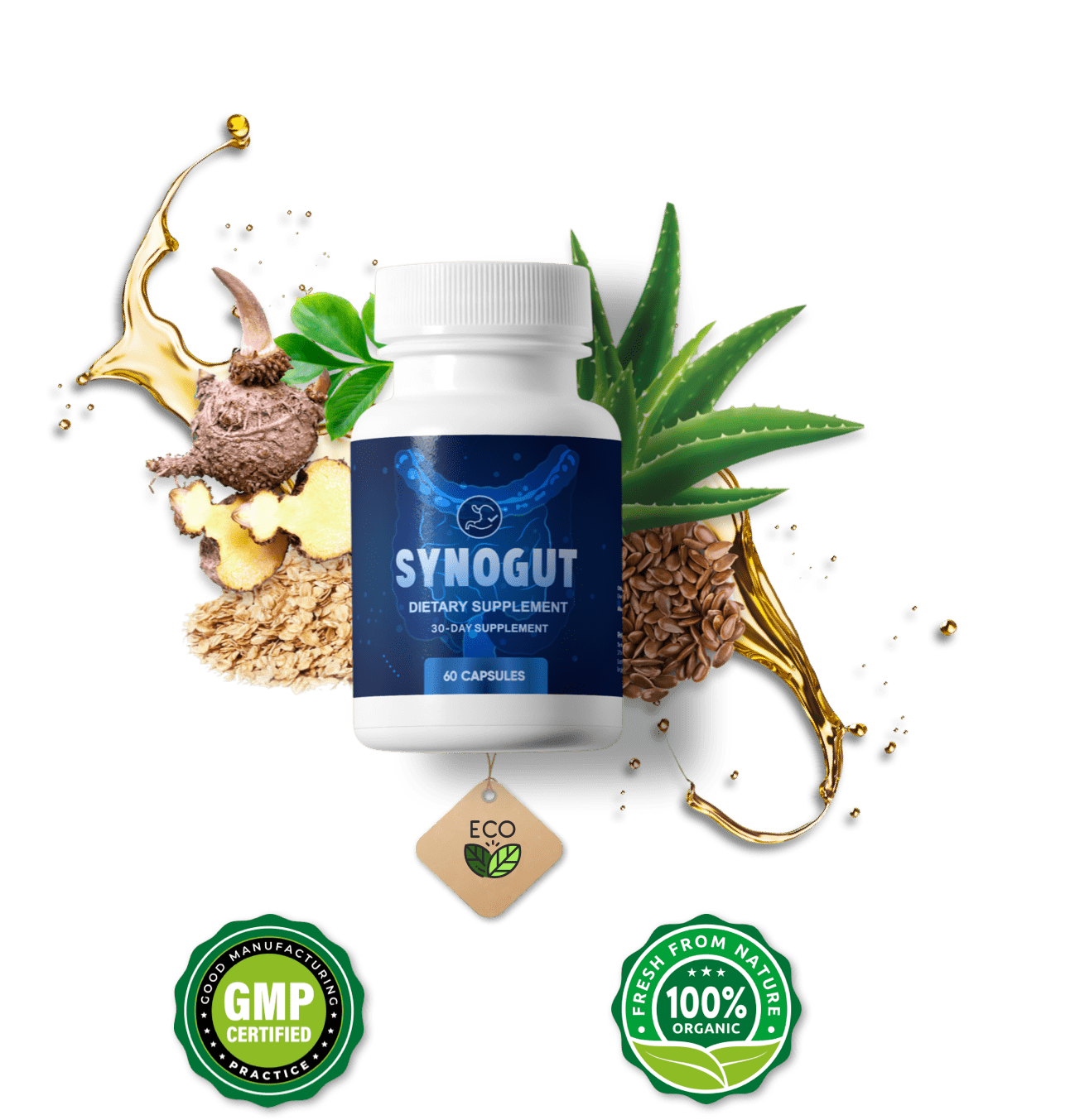
For those who want additional targeted support on top of lifestyle changes, SynoGut is a supplement worth looking at. It was developed by Samuel Bart, a Tennessee-based wellness researcher, and combines several of the most evidence-backed gut-support ingredients into a single formula: psyllium, bentonite clay, black walnut, oat bran, flaxseed, prune, aloe vera, L. Acidophilus, apple pectin, and glucomannan.
Every capsule is manufactured in the United States in an FDA-approved, GMP-certified facility using non-GMO ingredients sourced from growers who allow plants to reach full maturity without chemical treatments. It comes with a 60-day money-back guarantee, which gives you a full two months to evaluate whether it makes a difference for you.
As always, if you are dealing with chronic or severe digestive symptoms, it is worth checking in with a doctor before adding any supplement to your routine. But for people dealing with everyday sluggishness, bloating, and irregularity, SynoGut is a natural option that covers a lot of the nutritional bases your gut may be missing.
Frequently Asked Questions
How long does it take to improve gut health?
Most people notice some improvement in bloating and regularity within 1 to 2 weeks of dietary and lifestyle changes. More significant improvements in microbiome diversity and overall digestive comfort typically take 4 to 8 weeks of consistency.
What foods are worst for gut health?
Ultra-processed foods, refined sugars, artificial sweeteners, alcohol, and fried foods are among the biggest disruptors of gut microbiome balance. They tend to feed harmful bacteria while starving the beneficial ones.
Are digestive supplements safe to take long-term?
Most fiber-based and probiotic supplements are safe for long-term use in healthy adults. If you take prescription medications, especially antibiotics or blood thinners, check with your doctor before starting any new supplement.
Where to Get SynoGut
SynoGut is available exclusively through its official website — it is not sold in stores or on general retail platforms. You can check current pricing, bundle discounts, and the 60-day guarantee using the link below.
Check SynoGut Pricing and Availability →
This post contains affiliate links. If you make a purchase through them, we may earn a commission at no extra cost to you. See our Affiliate Disclosure for details. This article is for informational purposes only and does not constitute medical advice. If you have concerns about your digestive health, please consult a licensed healthcare provider.